
Since its introduction in July 2017, the Goods and Services Tax (GST) has reshaped India’s indirect tax landscape. But the most transformative element of GST isn’t the tax structure itself it’s the technology powering it. Digital tools, automation, and data intelligence have turned GST into a model for modern tax administration, making compliance simpler and more transparent than ever before.
GSTN: The Digital Backbone
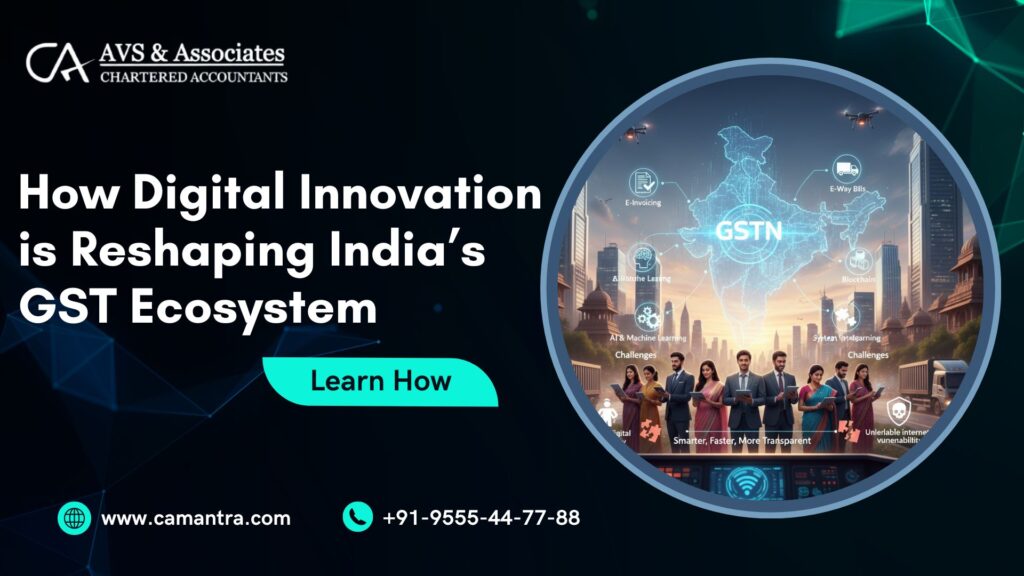
At the heart of this transformation is the Goods and Services Tax Network (GSTN). This technology platform manages billions of data points, enabling seamless registration, return filing, and input tax credit reconciliation. By replacing paper-heavy processes with intuitive online workflows, GSTN has reduced delays, minimized manual errors, and given businesses real-time visibility into their tax compliance.
Key Technologies Driving Change
1. E-Invoicing
The rollout of e-invoicing has standardized invoice formats and ensured real-time reporting to the government. This helps prevent mismatches, improves accuracy, and significantly reduces the risk of fake invoicing.
2. E-Way Bills
The e-way bill system has streamlined the movement of goods across India. Transporters benefit from faster checkpoints, while authorities gain improved oversight to curb tax evasion.
3. AI & Machine Learning
GST authorities now use AI and machine learning to identify fraudulent activities, analyse suspicious patterns, and reduce revenue leakage. These tools create a more transparent and secure tax environment for compliant businesses.
4. Blockchain Exploration
Emerging technology like blockchain is being explored to create tamper-proof audit trails. This could strengthen record-keeping and boost trust in high-value supply chains.
Challenges in the Digital Shift
Despite significant progress, India still faces barriers in achieving 100% digital GST adoption. Many micro and small businesses struggle with:
- Limited digital literacy
- System integration issues
- Unreliable internet connectivity
- Cybersecurity vulnerabilities
Occasional portal downtimes and frequent regulatory updates further add to compliance challenges. Addressing these gaps is essential for ensuring that every business can benefit from GST’s digital ecosystem.
The Road Ahead
The future of GST in India is set to become even more technology-driven. Mobile-first platforms, IoT-enabled supply chain tracking, deeper API integrations, and advanced analytics will define the next stage of evolution. Businesses that embrace digital tools early will enjoy smoother compliance, lower risk, and improved operational efficiency.
A Future Built on Smarter, More Inclusive Tax Technology
India’s GST transformation proves that technology is not just a support system—it is the driving force behind a smarter, faster, and more transparent tax ecosystem. As digital tools continue to evolve, and as more businesses gain access to seamless tech-enabled compliance, GST will strengthen its role as a catalyst for ease of doing business, fair competition, and long-term economic growth.
With innovation accelerating and digital inclusion expanding, India is well on its way to building one of the world’s most efficient, future-ready tax systems.